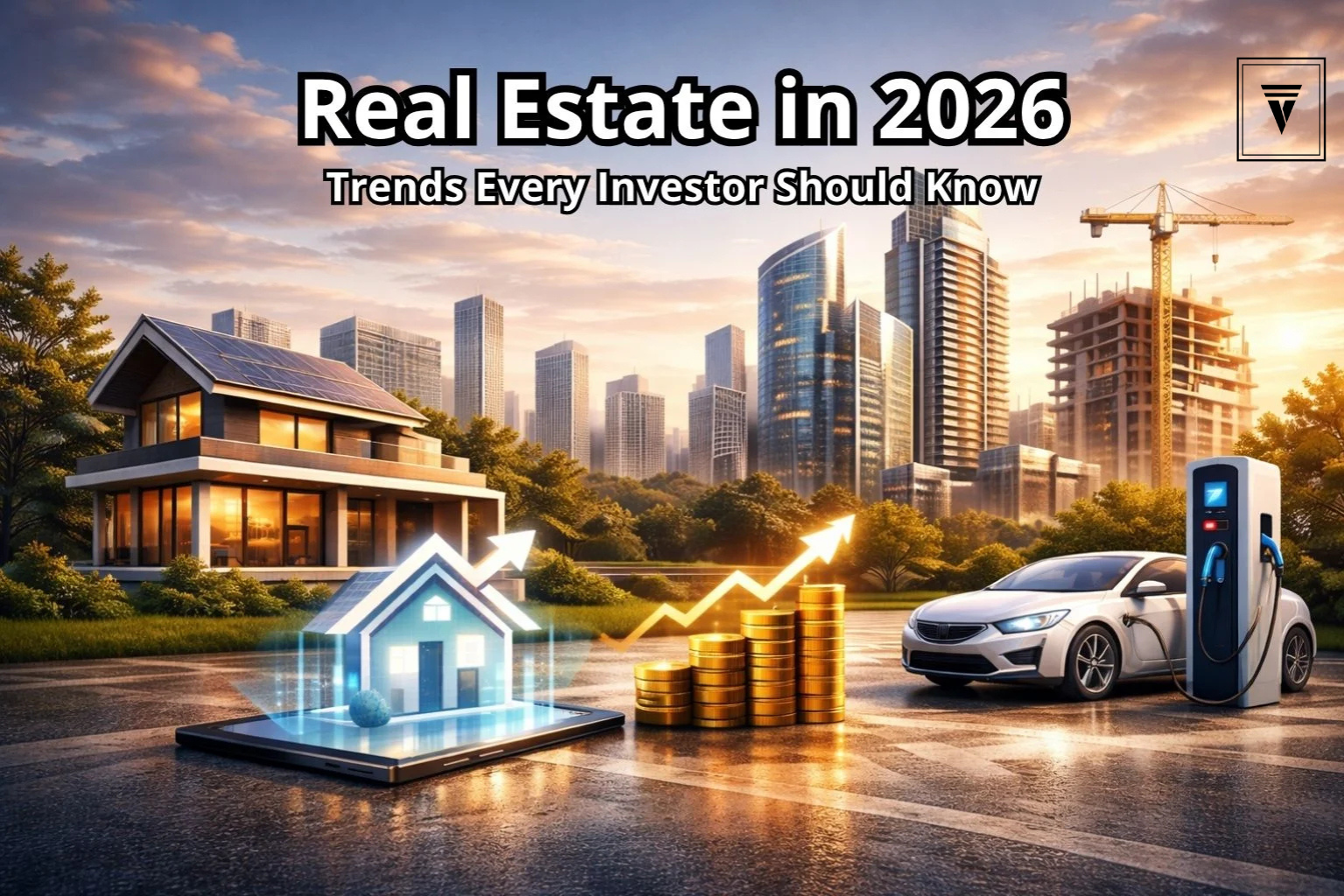
Real Estate in 2026: Trends Every Investor Should Know
The real estate market in 2026 is evolving faster than ever, and smart investors are adapting quickly to stay ahead of the changing landscape. At Vintage Vista, we’ve been closely monitoring how shifting buyer preferences, advanced technology, and changing economic factors are reshaping modern property investment strategies. Whether you are a first-time homebuyer or a seasoned investor, understanding these emerging real estate trends can help you make smarter, more informed, and profitable investment decisions in the years ahead.
1. Rise of Smart and Tech-Driven Homes
Technology is no longer a luxury in real estate it has become a necessity. In 2026, smart homes equipped with advanced automation systems, AI-powered security features, and energy-efficient solutions are witnessing high demand. Buyers are actively searching for properties that provide greater convenience, enhanced security, long-term sustainability, and a modern living experience.
From voice-controlled lighting to app-based home management, these advanced features are not only attracting modern homebuyers but also significantly increasing rental and resale value. Investors who focus on smart and tech-enabled properties are witnessing stronger property appreciation along with faster occupancy rates.
2. Sustainable and Green Living Takes Center Stage
Sustainability has moved from a trend to a standard. Green buildings, solar panels, rainwater harvesting systems, and eco-friendly construction materials are influencing buyer decisions significantly.
Government policies and incentives are also encouraging developers to adopt green practices. As a result, eco-conscious projects are commanding premium pricing. Investors should consider properties with green certifications, as they tend to deliver long-term value and lower maintenance costs.
3. Shift Toward Peripheral and Emerging Locations
Prime city centers are becoming saturated and expensive, pushing investors toward emerging micro-markets. In cities like Gurgaon, areas along new infrastructure corridors are gaining traction due to better connectivity and relatively affordable pricing.
These locations often offer higher ROI potential as infrastructure develops over time. Early investment in such areas can lead to significant capital appreciation. Vintage Vista consistently recommends identifying these growth corridors before they become mainstream.
4. Hybrid Work Culture Reshaping Housing Demand
The work-from-home and hybrid culture continues to influence real estate choices in 2026. Buyers are now prioritizing larger homes, dedicated workspaces, and better living environments over proximity to office locations.
This shift has increased demand for spacious apartments, builder floors, and gated communities with modern amenities. Suburban and semi-urban areas are benefiting the most from this trend, offering better space at competitive prices.
5. Growth of Co-Living and Rental Investments
With rising urban migration and a young workforce, co-living spaces are becoming a popular investment segment. These properties offer higher rental yields compared to traditional rental models.
Managed rental properties and co-living setups reduce the burden on investors while ensuring consistent income. In 2026, this segment is particularly attractive for those looking for passive income opportunities.
6. Increased Demand for Luxury and Branded Residences
Luxury real estate is experiencing a strong surge. High-net-worth individuals are investing in premium properties that offer exclusivity, privacy, and world-class amenities.
Branded residences and luxury independent floors are becoming status symbols while also serving as high-return assets. These properties often outperform standard housing in terms of appreciation and rental income.
7. Real Estate as a Hedge Against Inflation
With economic fluctuations and inflation concerns, real estate continues to be a stable and reliable investment option. Unlike volatile markets, property investments provide both asset appreciation and regular income.
In 2026, investors are increasingly diversifying their portfolios by including real estate to balance risk. This makes property investment not just a wealth-building tool but also a financial security strategy.
8. Digital Transformation in Property Buying
The buying process has become more transparent and efficient thanks to digital platforms. Virtual tours, online documentation, AI-based property recommendations, and blockchain-backed transactions are simplifying real estate investments.
Buyers can now explore properties, compare prices, and even close deals remotely. This digital shift is particularly beneficial for NRI investors and those looking to invest across cities.
9. Regulatory Stability Boosting Investor Confidence
Regulatory frameworks have improved significantly over the years, bringing more transparency and accountability to the real estate sector. Policies focused on buyer protection and timely project delivery are increasing trust in the market.
As a result, more investors are entering the sector with confidence, leading to steady growth and reduced risk.
10. Commercial Real Estate Making a Strong Comeback
After a period of uncertainty, commercial real estate is regaining momentum in 2026. Office spaces, retail hubs, and mixed-use developments are witnessing renewed demand.
Flexible office spaces and co-working hubs are especially popular among startups and enterprises. Investors looking for higher returns are increasingly exploring commercial assets as part of their strategy.
11. Infrastructure Development Driving Growth
Major infrastructure projects like expressways, metro expansions, and smart city initiatives are playing a crucial role in shaping real estate demand.
Properties located near upcoming infrastructure developments tend to appreciate faster. Investors who align their strategies with these developments can unlock significant value over time.
12. Data-Driven Investment Decisions
Gone are the days of purely instinct-based property investments. In 2026, data analytics, market insights, and predictive tools are guiding investor decisions.
From price trends to rental yields and demand forecasts, access to accurate data is helping investors minimize risks and maximize returns. At Vintage Vista, data-backed insights are a key part of making smart investment recommendations.
Final Thoughts
Real estate in 2026 is no longer just about buying property—it’s about making strategic, informed decisions based on evolving trends. From technology and sustainability to shifting buyer preferences and infrastructure growth, the market is full of opportunities for those who understand where it’s heading.
By staying updated with these trends and focusing on long-term value, investors can build a strong and profitable real estate portfolio. Whether you’re targeting residential, commercial, or rental income properties, aligning your strategy with current market dynamics is essential.
At the end of the day, success in real estate comes down to timing, location, and insight—and with the right approach, 2026 could be one of the best years to invest.
.png)
.png)
.png)
.png)
.png)
.png)
.png)
.png)
.png)
.png)
.png)
.png)
.png)
.png)
.png)
.png)
.png)
.png)
.png)
.png)
.png)
.png)
.png)
.png)
.png)
.png)
.png)
.png)
.png)
.png)
